You need the best consulting advice?
Then you are exactly right with us. We are also happy to help with the assessment of exposure situations caused by electromagnetic fields.
The aim of the project in cooperation with IMST GmbH, accredited to DIN EN 17025:2018, was to measure electromagnetic fields from 5G-NR locations along a rail test track using …
waveLAB Ruhr will be part of The Things Conference 22nd to 23rd of September in Amsterdam, Netherlands. Meet us at booth S44, …
waveLAB Ruhr GmbH will exhibit together with IXUS and FieldSENSE at the EMV 2026 in Cologne (Hall / booth-no.: 10.2 409). Again …
Markus Ridder of waveLAB Ruhr had the chance of recording a podcast with Alix Paultre at The Things Conference 2025. We talked …
waveLAB Ruhr will be part of The Things Conference 23rd to 24th of September in Amsterdam, Netherlands. Meet us at booth A33, …
Since introduction of the EMFV—the ordinance on the protection of employees from electromagnetic fields …
As part of a product approval process, or when seeking to improve a device’s EMC or wireless performance, …
waveLAB Ruhr GmbH simulates various EMF (electromagnetic field) situations and scenarios. The fundamental concept behind such simulations …
Exposure assessments can be conducted either with simulations or via on-site measurements. These assessments primarily focus …
Shielding effectiveness measurements allow the determination of the attenuation properties of buildings or materials with respect to electric and/or magnetic fields …
A SAR (Specific Absorption Rate) measurement determines the amount of electromagnetic field energy (radio-frequency radiation) absorbed by human …
In the context of EMF/EMC measurements, situations may arise that cannot be adequately addressed using handheld equipment or stationary antennas …
The regulatory approval of products can often be very expensive and/or time-consuming—especially when regulatory matters are left until the end of the development process, …
Troubleshooting/Interference hunting is conducted either during the development phase or following a “fail” at a (different) test laboratory …
waveLAB Ruhr GmbH operates a premium acoustic chamber equipped with a variety of absorbers and reflectors that ensure a low, …
At waveLAB Ruhr GmbH, radiated immunity testing can also be conducted using a “stripline” setup. Due to a smaller septum-to-ground-plane distance (approx. 90 cm) …
waveLAB Ruhr GmbH offers a wide range of training topics in the fields of radio-frequency (RF) engineering and regulatory approval. Examples include …
Haven’t found your specific application, but have a question regarding high-frequency technology, EMC, or EMF for which you need support? Please do not hesitate …
waveLAB Ruhr GmbH now also offers products in the EMF area.
With abuot 10 years of experience in the field of exposure measurements for EMF – electromagnetic compatibility in or for the environment, waveLAB Ruhr is now also offers products from this area. In addition to personal dosimeters (FieldSENSE), the new offering also includes EMF simulation software (IXUS).
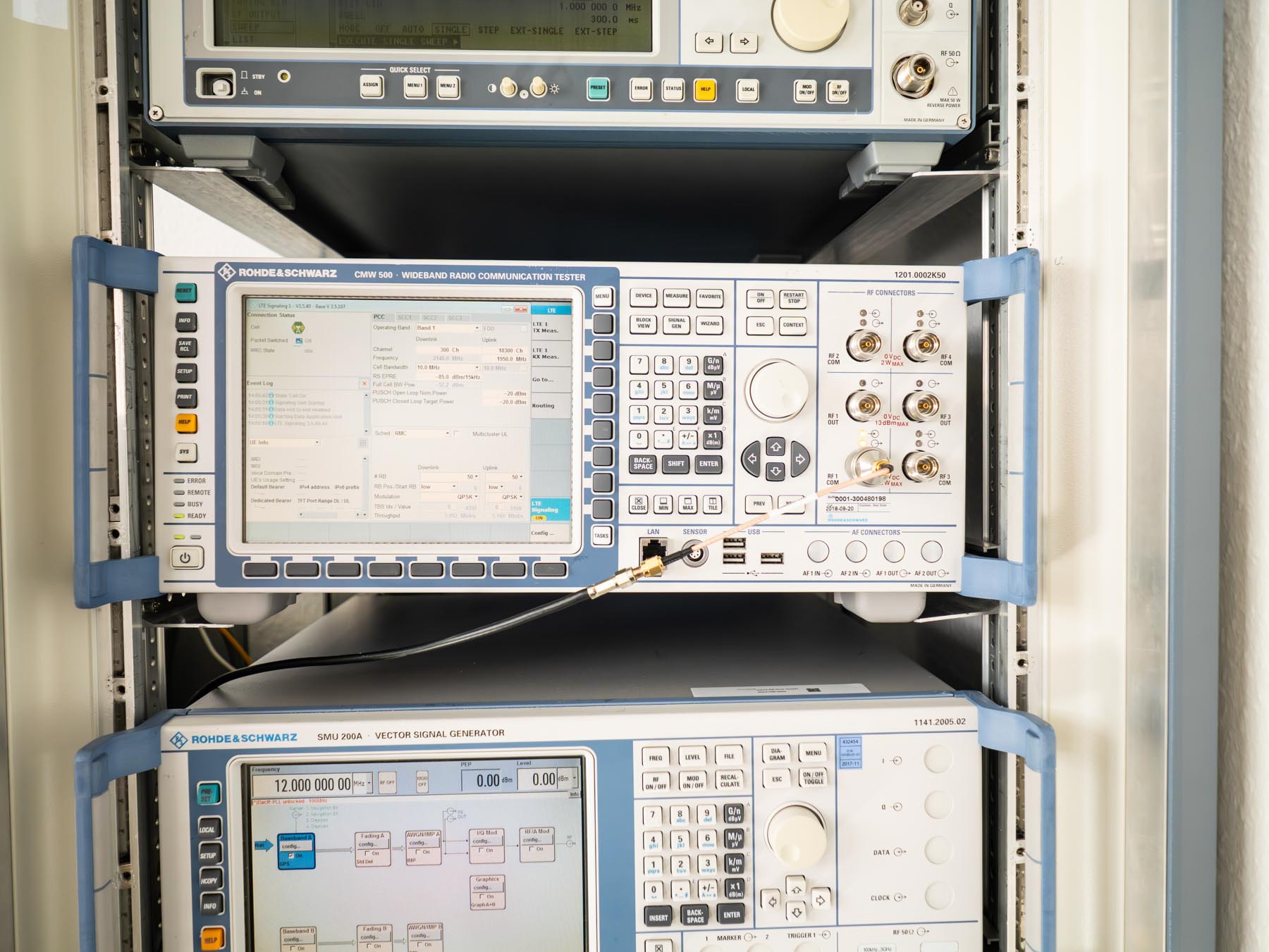
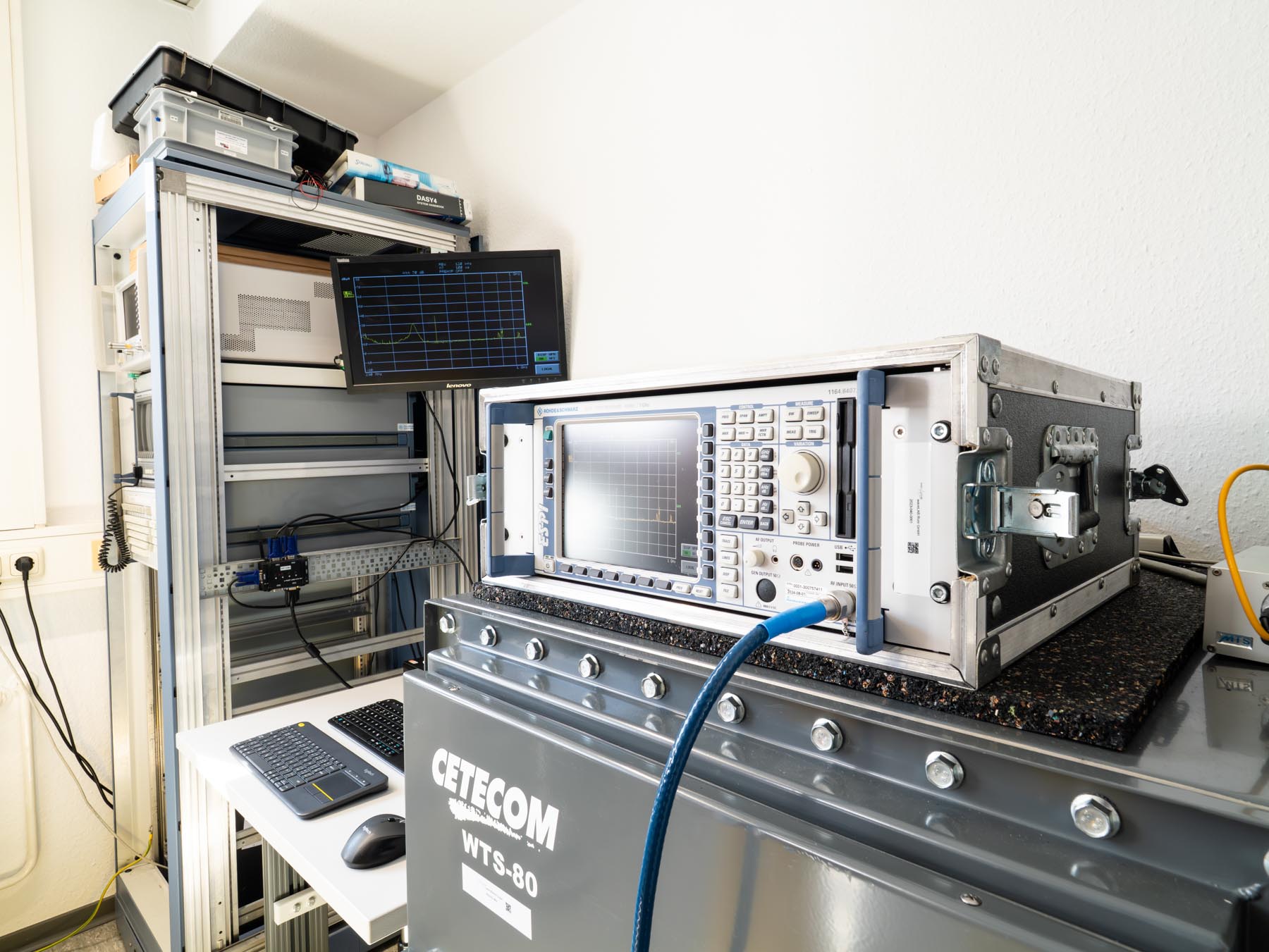
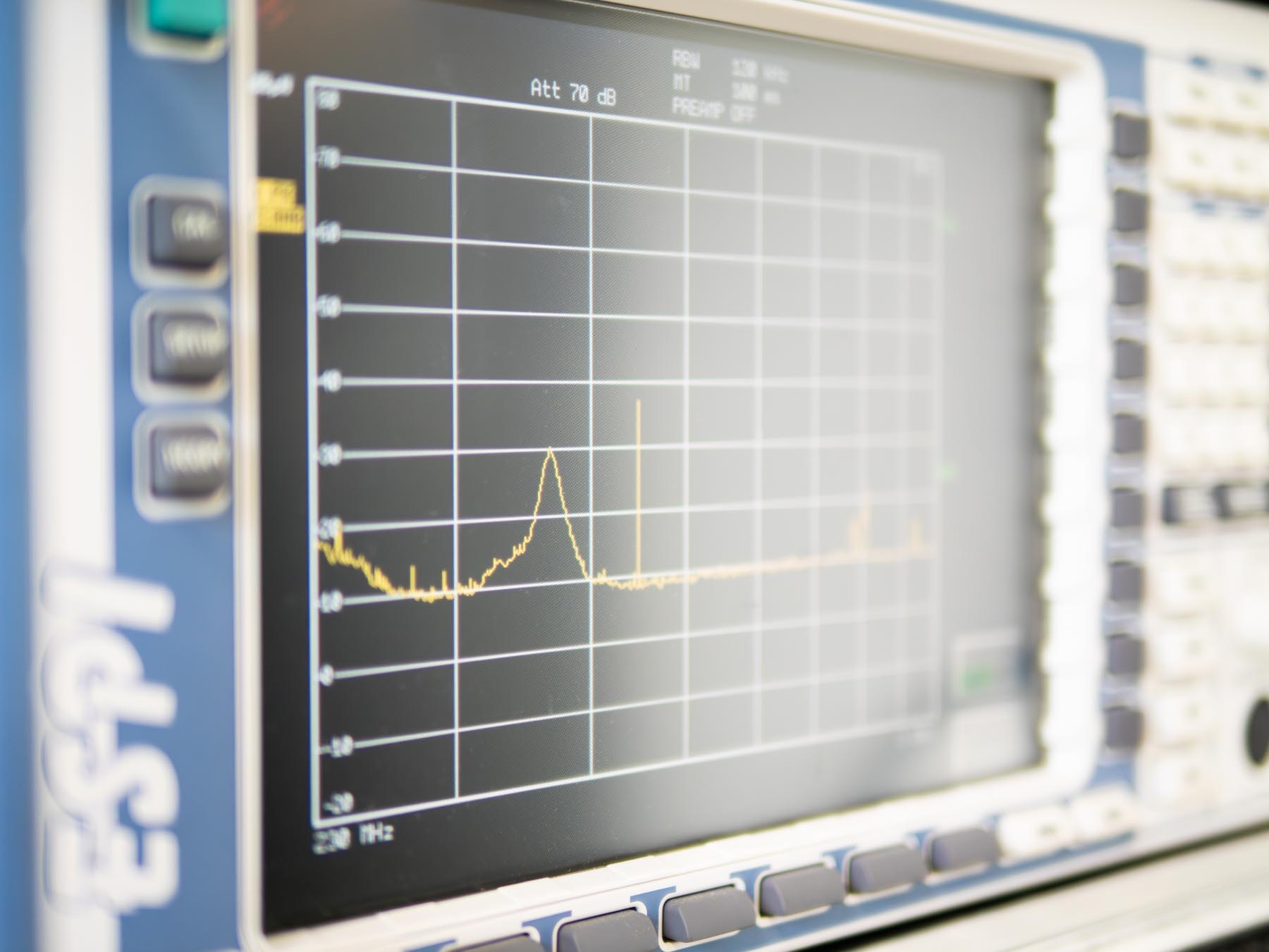
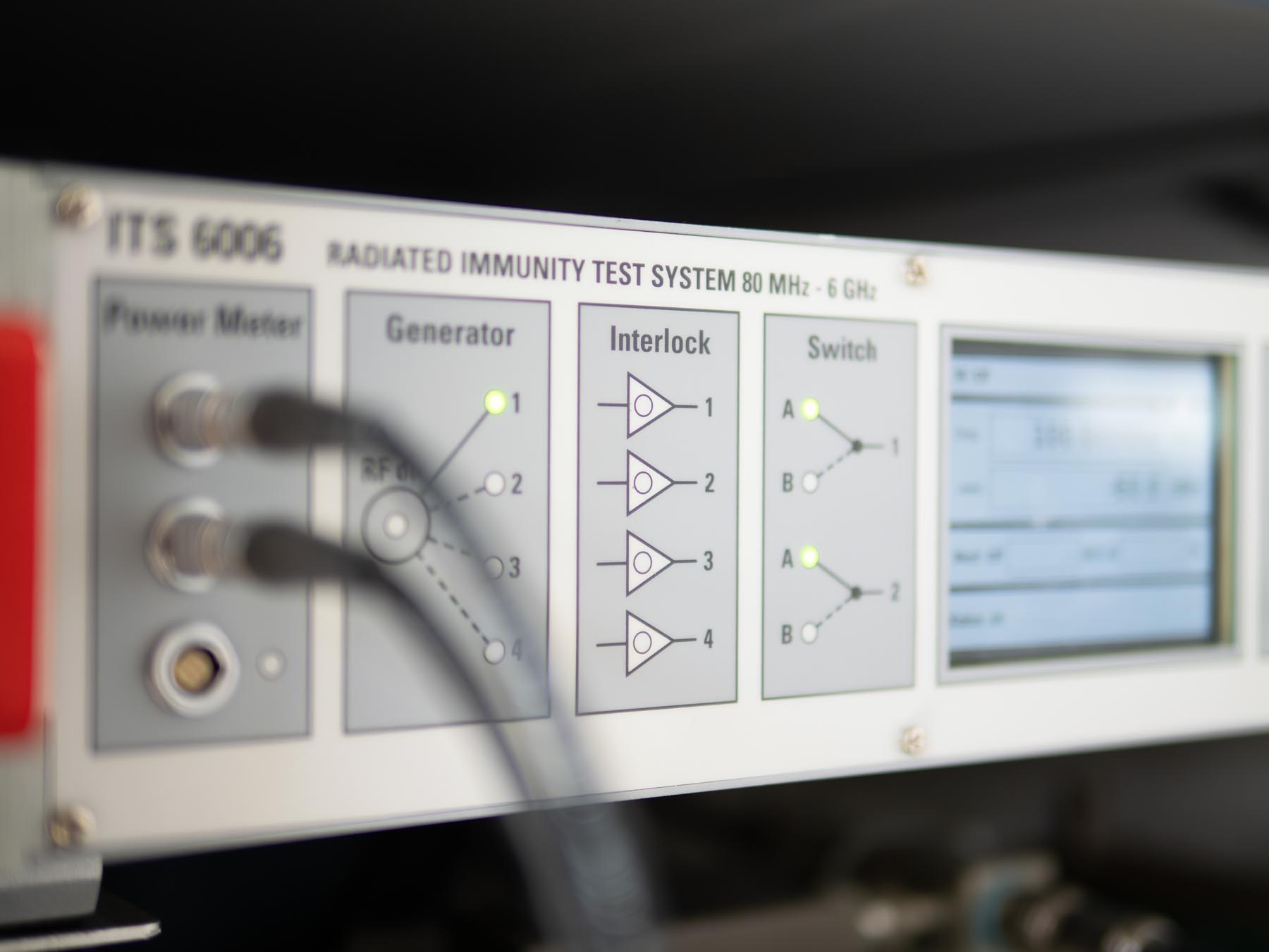
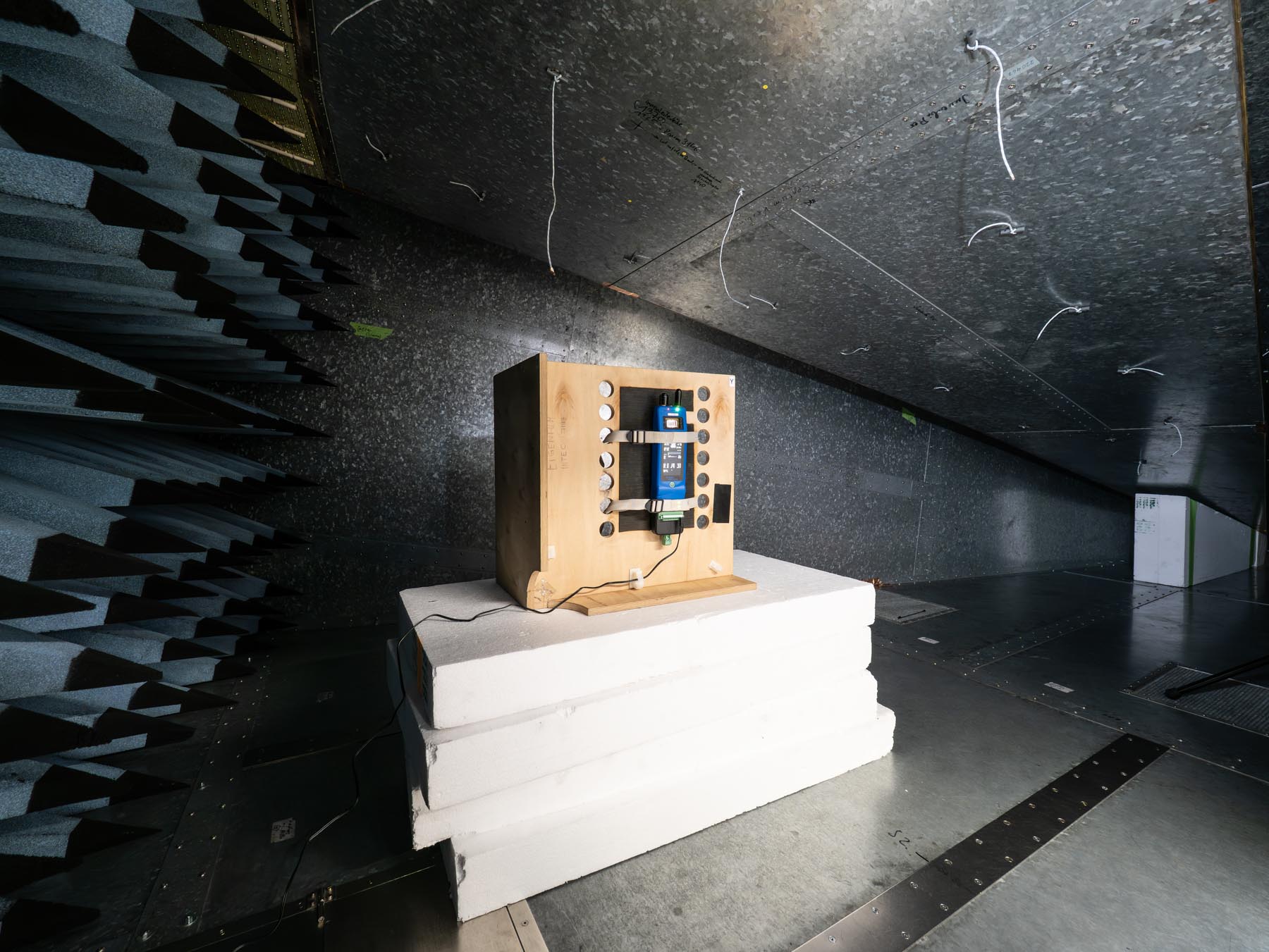
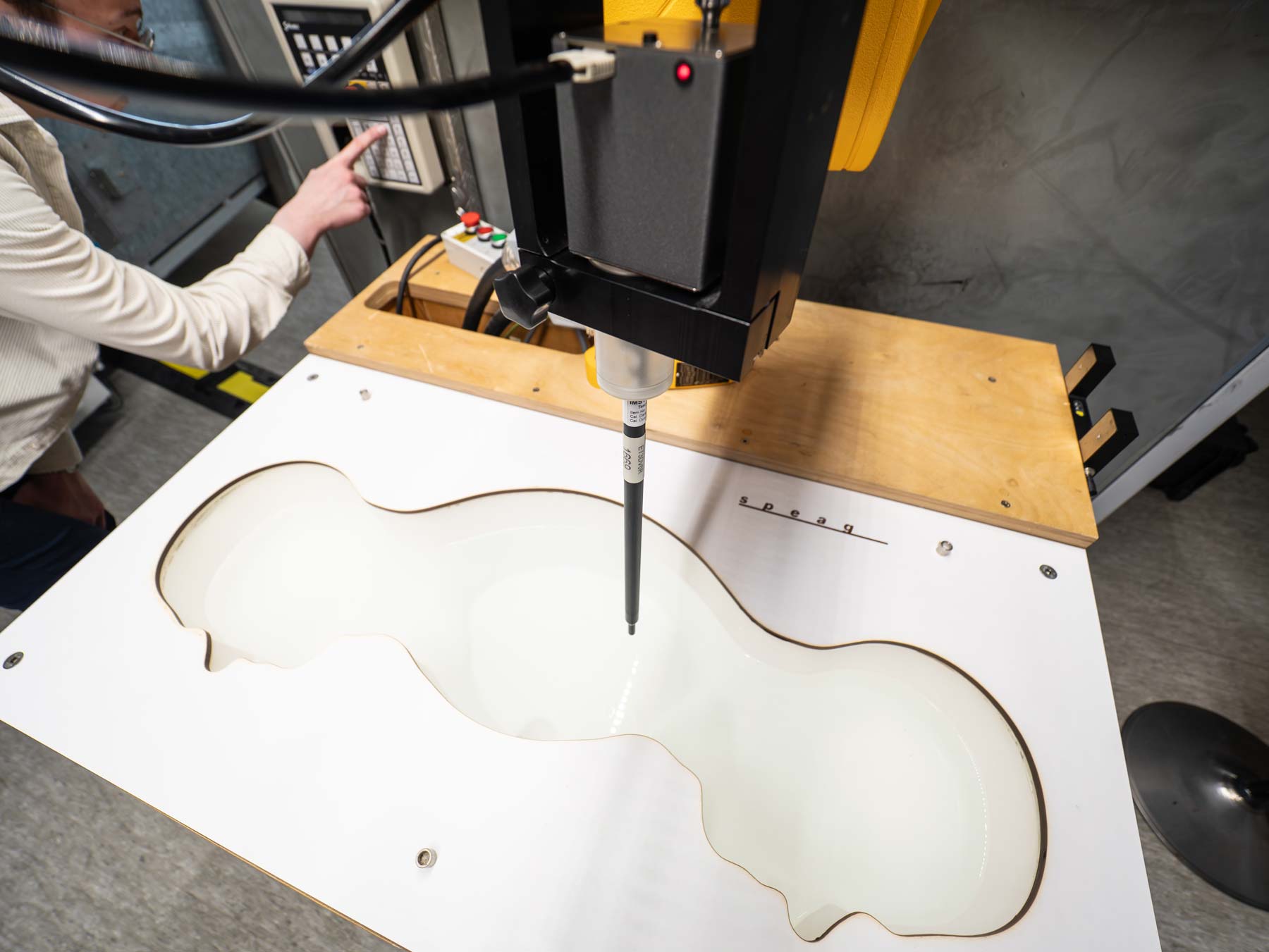
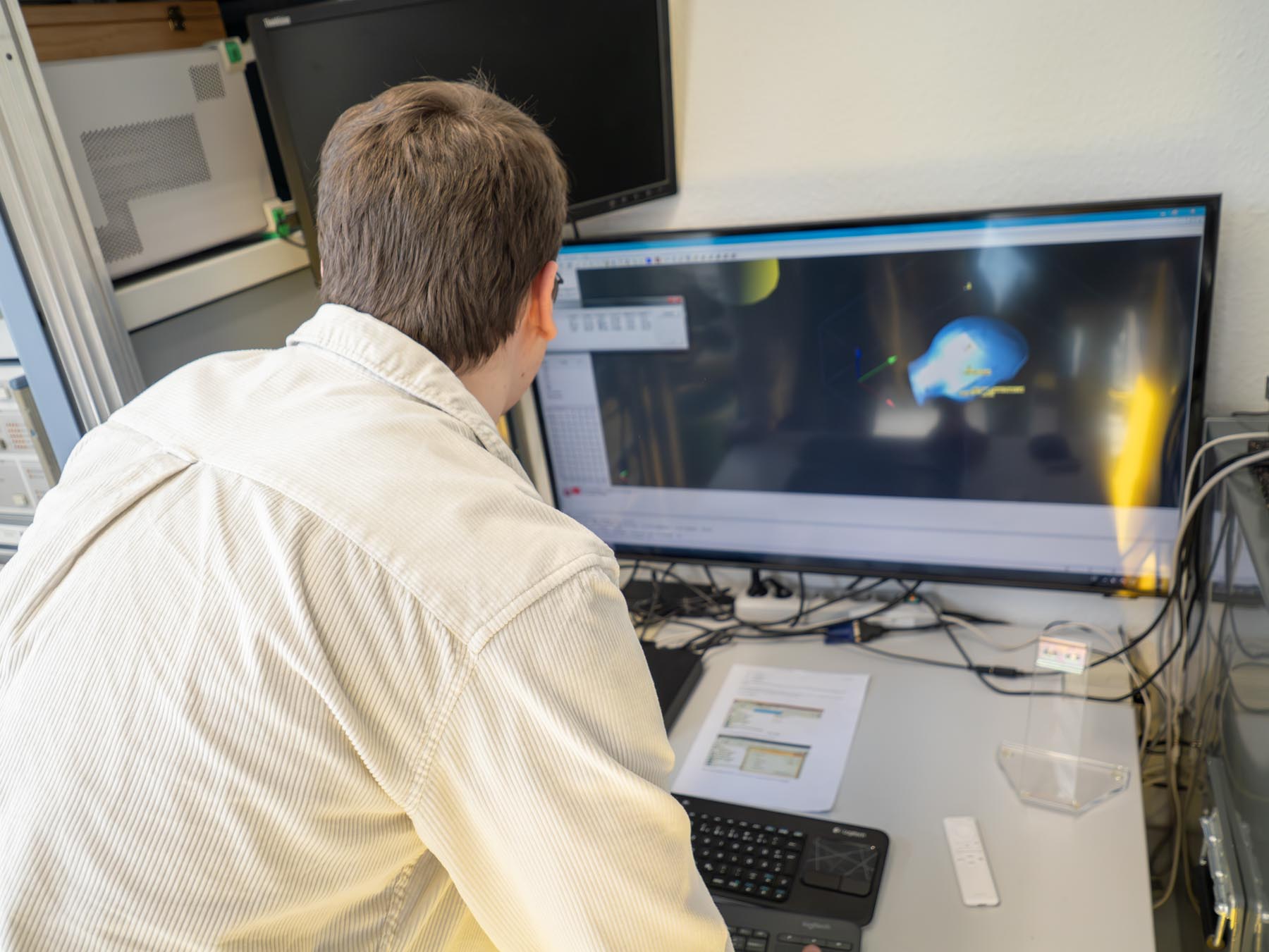
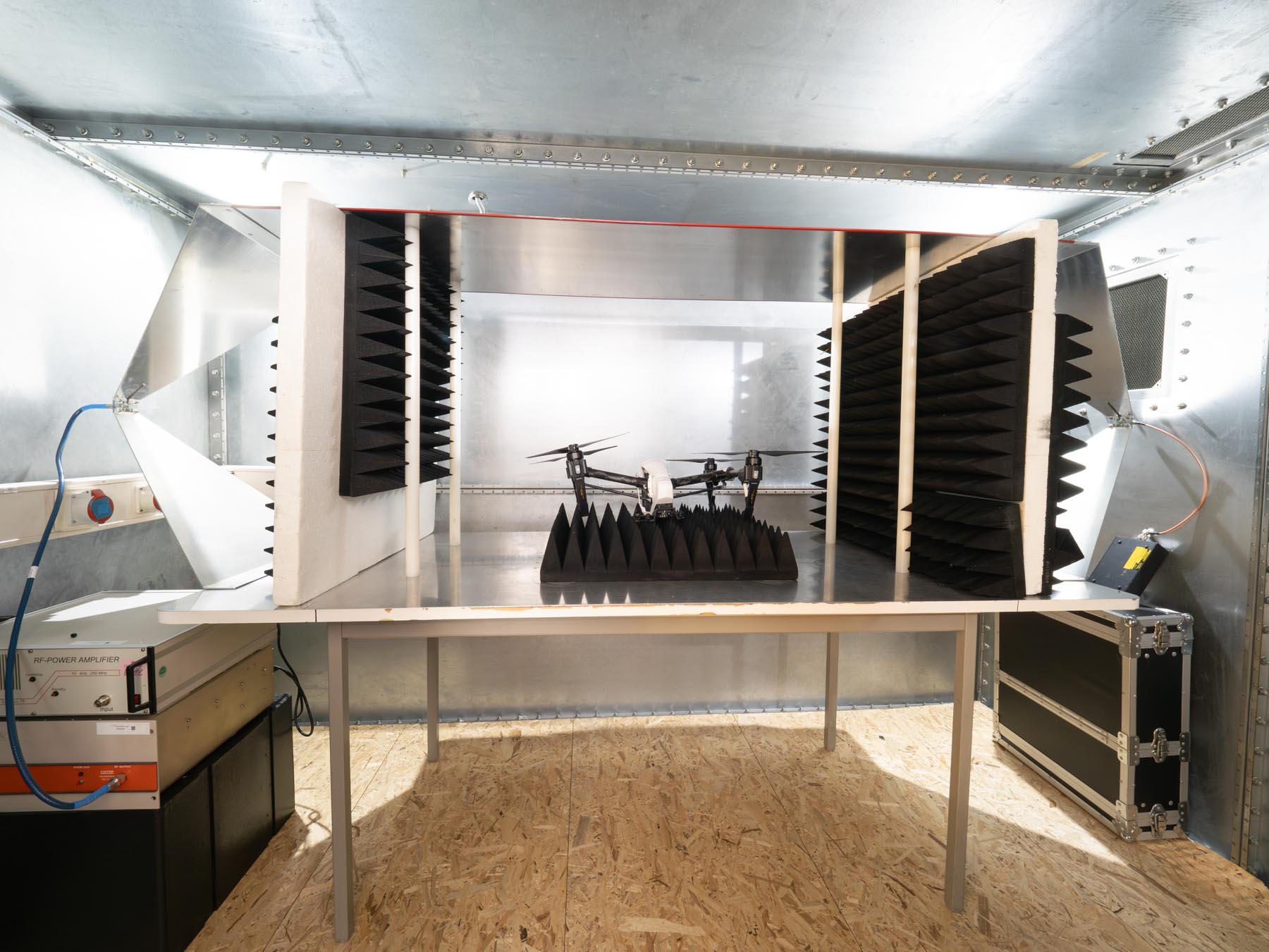
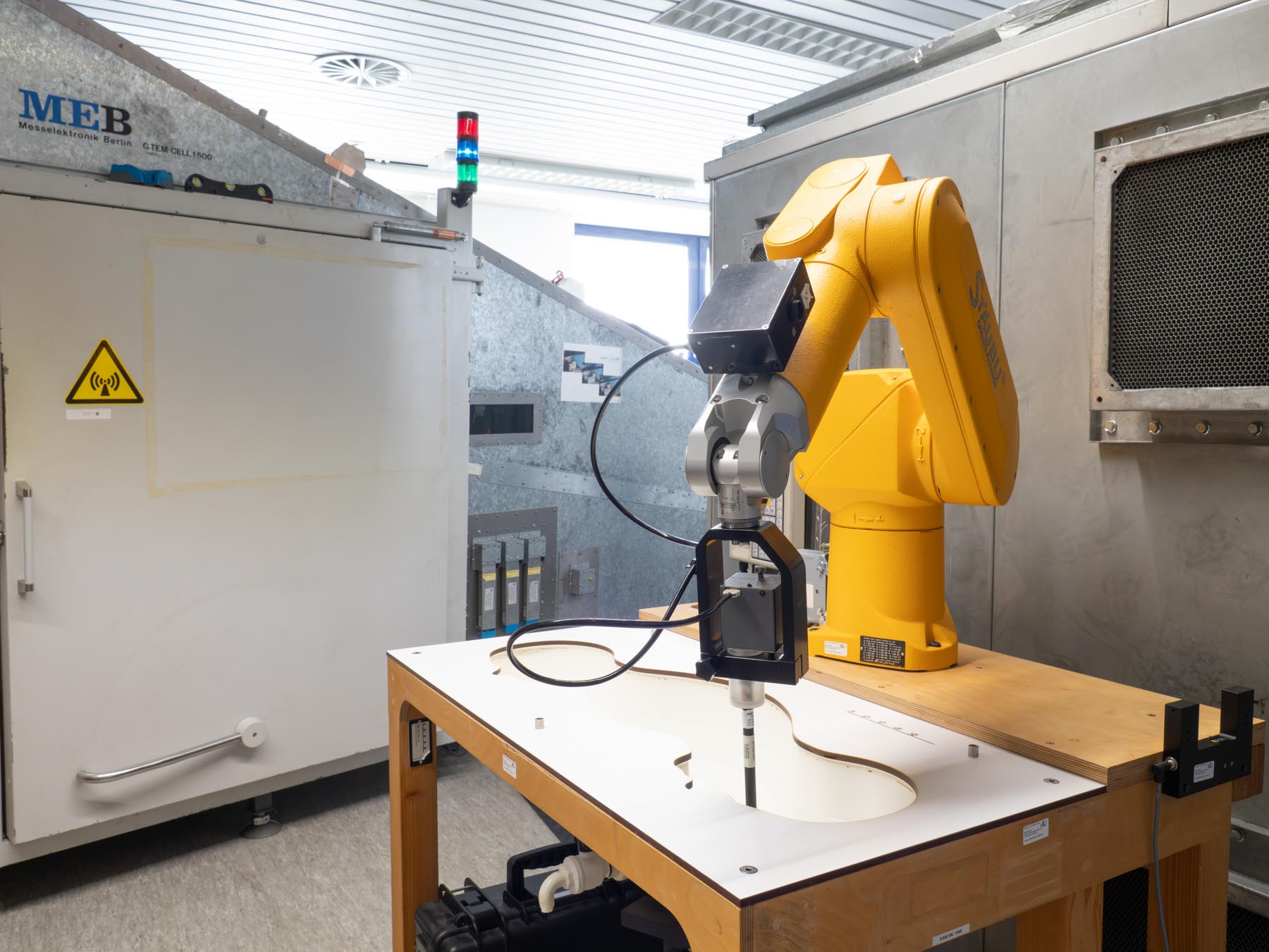
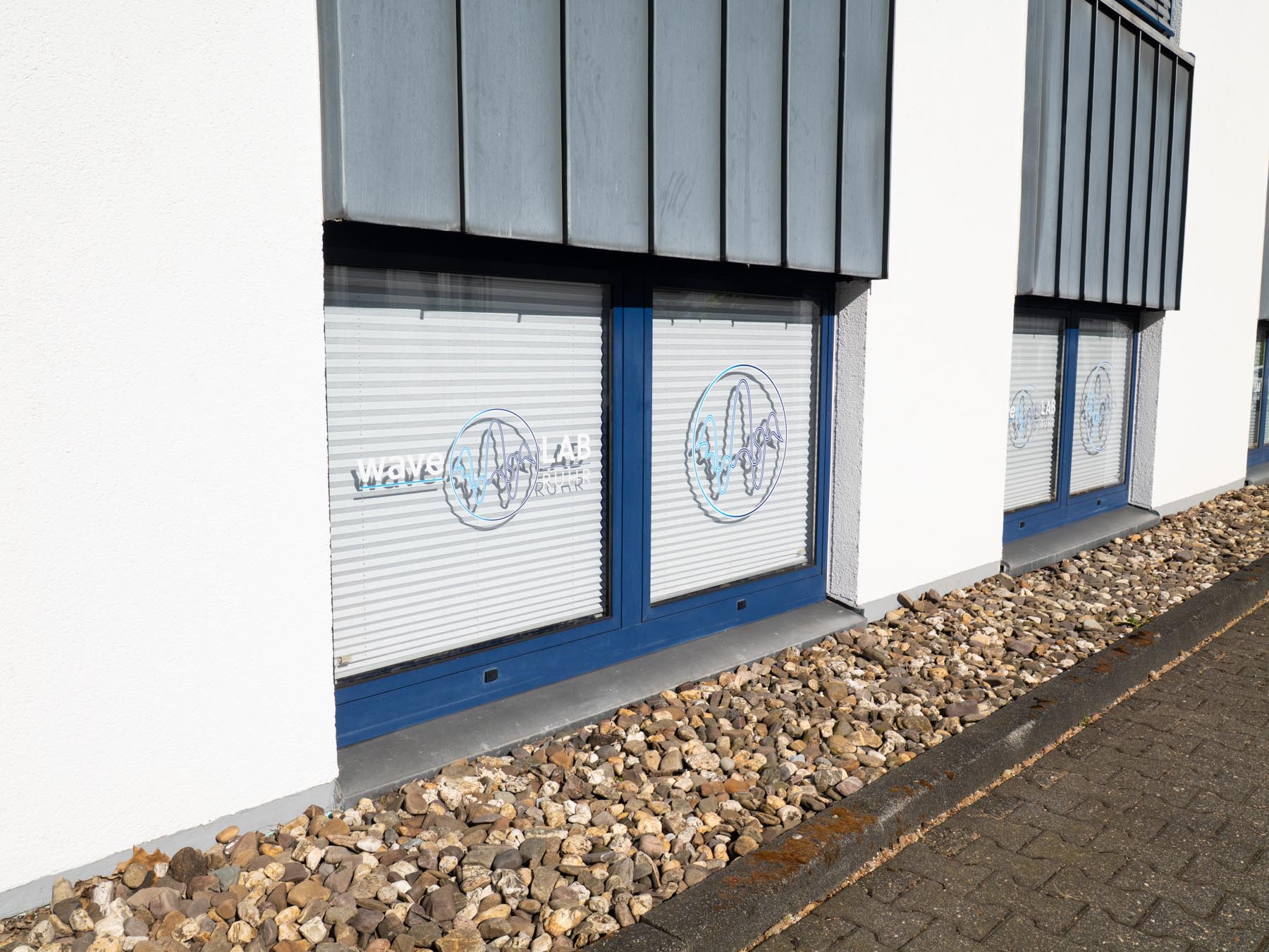
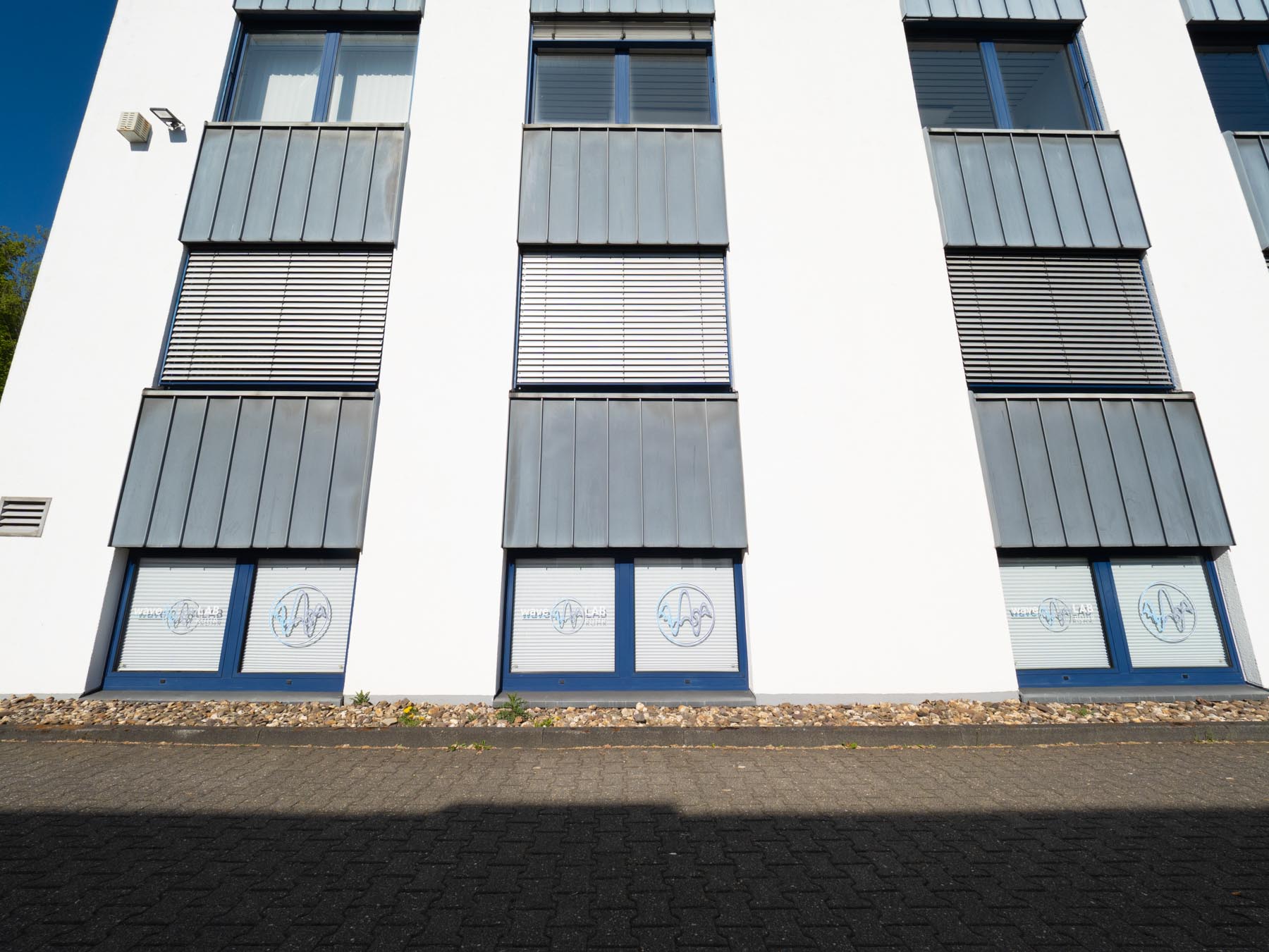
A look behind the scenes at waveLAB Ruhr GmbH in Essen: this is where we measure, simulate and suppress interference – from a single circuit board to SAR and shielding effectiveness measurements, all the way to exposure assessments of entire mobile communication sites. Click on an image to view it in full size.
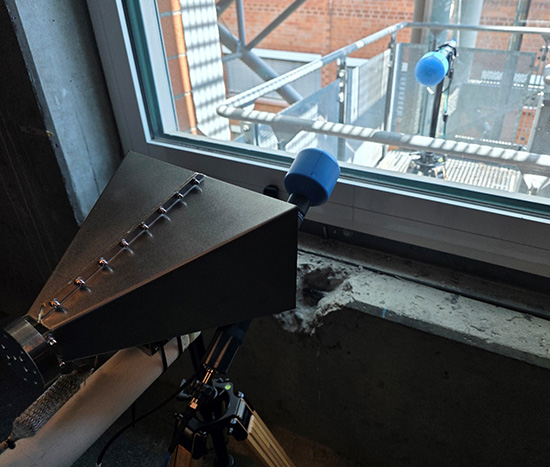
The aim of the project in cooperation with IMST GmbH, accredited to DIN EN 17025:2018, was to measure electromagnetic fields from 5G-NR locations along a rail test track using exposure measurements as part of the “GINT, Gigabit Innovation Track” project. For this purpose, various scenarios were examined according to different requirements. The primary objective was to record the parameters to ensure compliance with the limit values for the general population (26th BImSchV [26.BImSchV]) and for occupational safety (EMFV [EMFV], Verordnung zum Schutz der Beschäftigten vor Gefährdungen durch elektromagnetische Felder).
GINT creates the technological and organizational basis for gigabit illumination on the track. The focus is on optimizing radio performance through close-to-track construction, dedicated track illumination and their economic basis. To this end, GINT is testing innovative, railway-suitable mast concepts that include screw foundations and a comparatively low mast height, as well as investigating active and passive multiple antenna configurations (MIMO) and beamforming mechanisms. The latter required an EMF measurement inside and outside a train that was used as a test laboratory (ATL – Advanced Train Lab). The measurements were carried out in Mecklenburg-Western Pomerania on a section of track between Karow and Malchow. Various network configurations were recorded using various EMF measurements, extrapolated if necessary and evaluated.
The first 5G mobile base station in the city of Essen was measured for the mobile network operator (MNO) Telefónica in 2020/2021. The use of a hand-held code-selective spectrum analyzer allowed the various beams of the system to be displayed and gave both the MNO and the expert Markus Ridder the opportunity to fully characterize an 8×8 MiMo system.
EMF Assessment of Workplaces (EMFV / other regulations)
Since introduction of the EMFV—the ordinance on the protection of employees from electromagnetic fields—this service has been increasingly requested by companies that do not have a staff member with documented expertise in EMF. The primary focus is the protection of occupationally exposed and instructed individuals. The applicable exposure limits are higher than those for the general public (non-instructed individuals). A critical factor in every assessment is the consideration of particularly vulnerable individuals, such as those who use active or passive medical implants or other body-worn medical devices. Measurements are conducted within a frequency range of 0 Hz to 6 GHz (up to a maximum of 110 GHz). A formal report, including documented measurement points (with images and descriptions) throughout the facility, provides an overview of the exposure levels for both occupationally exposed personnel and particularly vulnerable individuals. Projections based on the maximum output of an EMF source, as well as calculations to determine the required minimum safety distances from such sources, are performed in accordance with established physical laws governing electromagnetic fields.
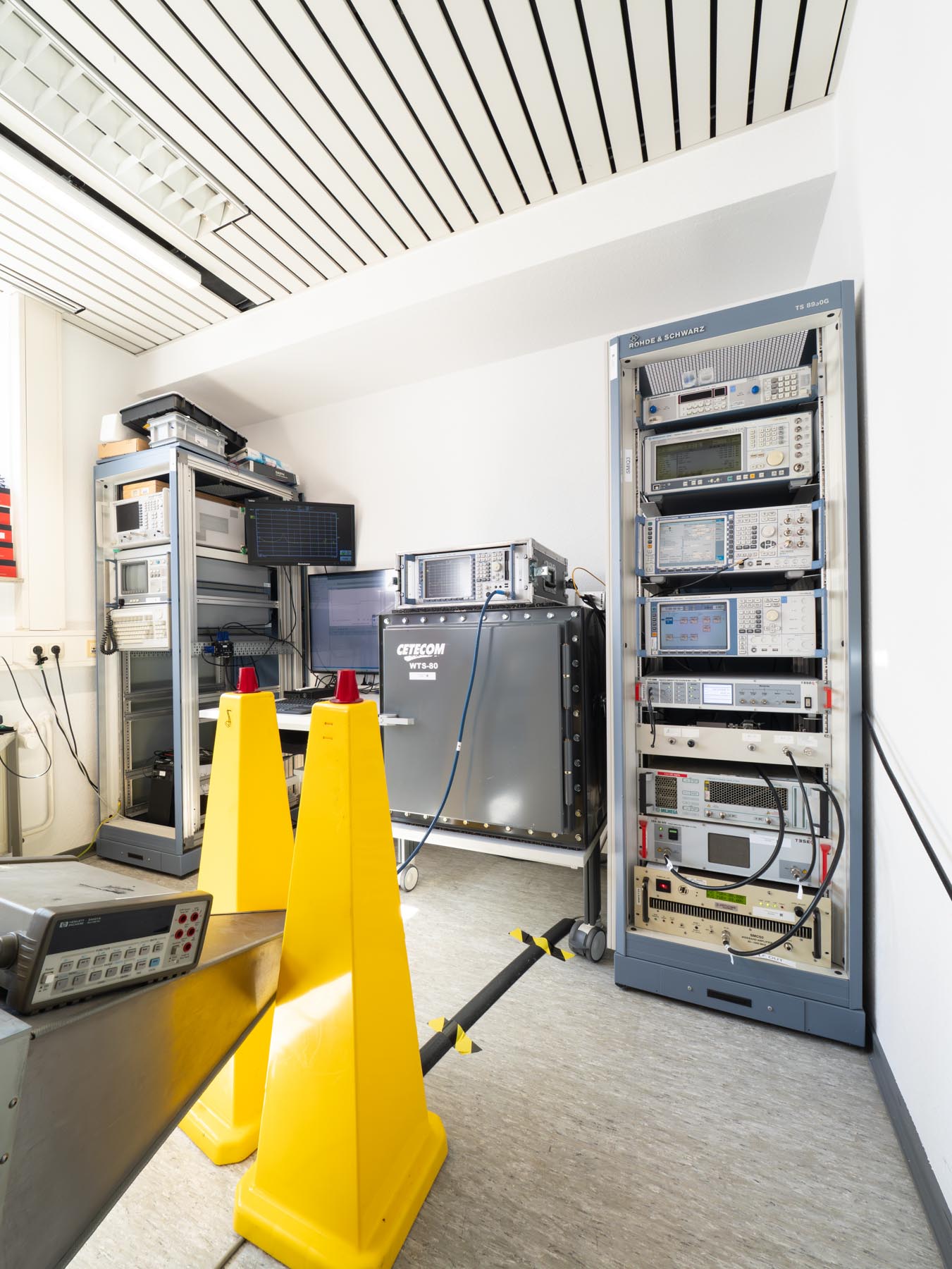
As part of a product approval process, or when seeking to improve a device’s EMC or wireless performance, pre-compliance testing can be conducted. waveLAB Ruhr GmbH offers testing in both domains—covering both radiated and, to a certain extent, conducted measurements—and utilizes a Wireless Test System (WTS-80) for radio integration testing (including Total Radiated Power (TRP), Total Isotropic Sensitivity (TIS), and Radiated Spurious Emissions (RSE)). Our primary capabilities include testing for 2G, 3G, 4G, Bluetooth, and WLAN wireless systems; other protocols can be evaluated upon request. The data obtained allows clients to classify their wireless products based on their radio performance. We also operate a GTEM 1500 cell for EMC measurements, covering radiated emissions (9 kHz – 18.5 GHz) and immunity (30 MHz – 3.1 GHz). Additionally, we have equipment for burst and surge testing. Furthermore, we offer partial testing and assessments regarding electrical safety, with a focus on standards DIN EN 62368 and DIN EN 61010-1.
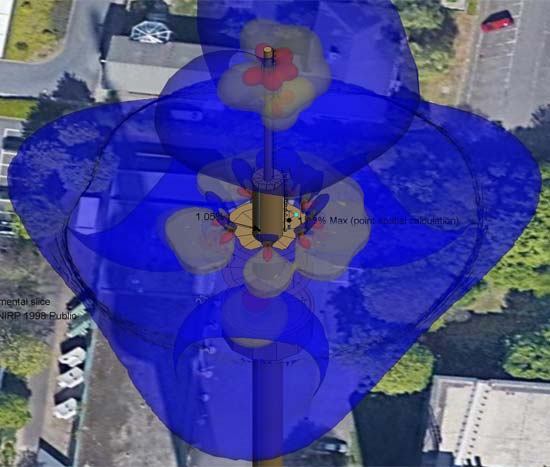
waveLAB Ruhr GmbH simulates various EMF (electromagnetic field) situations and scenarios. The fundamental concept behind such simulations—for instance, using IXUS RF Safety (for mobile communications)—is the free-space propagation of radio waves, such as those generated by mobile network base stations. In the context of energy transmission and generation, the near-field components of electric and magnetic fields are calculated. Furthermore, mobile network coverage can be simulated, even when accounting for attenuating elements (such as buildings) and reflections.
Beyond mobile communication exposure scenarios, any other radio or utility system can be modeled, provided that the frequency, power, and—where applicable—the antenna radiation pattern are known.
Using tools such as FGEU Winfield (or Narda EFC-400), utility systems—including transformer stations or overhead power lines—can also be simulated. This allows for the visualization of exposure scenarios and the determination of the potential percentage of the applicable exposure limit being utilized due to electromagnetic fields.
Within any given field distribution model, specific “search points” can be placed to analyze local field conditions. These points can represent both instantaneous immission levels and scenarios based on maximum system load (e.g., in accordance with the 26th BImSchV regulation or BNetzA STOB antenna site certification applications).
Exposure assessments can be conducted either with simulations or via on-site measurements. These assessments primarily focus on mobile communication systems, but also encompass systems for emergency services (BOS/TETRA) and broadcasting infrastructure. In addition to performing measurements and extrapolations (based on maximum system load), the scope of work includes moderating public events. In this capacity, waveLAB Ruhr often serves as a technical intermediary between the general public and network operators.
Shielding effectiveness measurements allow the determination of the attenuation properties of buildings or materials with respect to electric and/or magnetic fields. This process involves generating and measuring a field on one side of the building or material, while measuring the attenuated field on the other side. The difference between the two field strengths directly yields the shielding effectiveness in dB. We conduct measurements within the 9 kHz to 6 GHz range, which also encompasses the so-called lightning frequencies of 20 kHz and 1 MHz.
A SAR (Specific Absorption Rate) measurement determines the amount of electromagnetic field energy (radio-frequency radiation) absorbed by human tissue when using a device such as a mobile phone or a wearable.
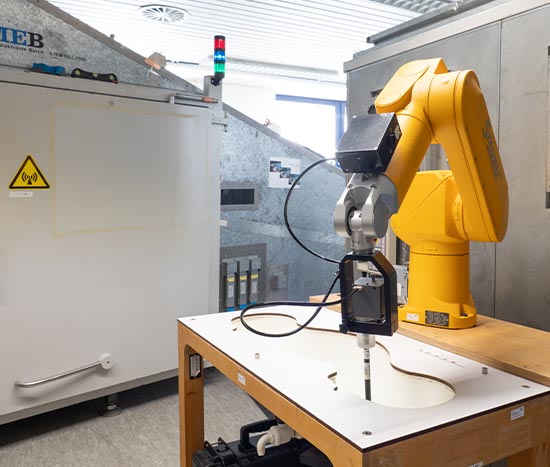
The device under test is positioned against a model—referred to as a “phantom”—filled with a tissue-equivalent liquid, shaped to represent a human head or body. An electric field probe submerged in the liquid measures the field strength and calculates the extent to which the tissue is heated by the radiation (expressed in W/kg). This process ensures that the devices pose no health risks, thereby qualifying them for market approval. We primarily test wireless systems including 2G, 3G, 4G, Bluetooth, and Wi-Fi; other protocols can be evaluated upon request.
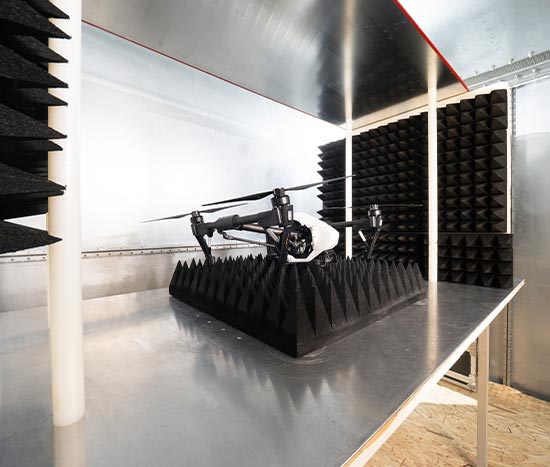
In the context of EMF/EMC measurements, situations may arise that cannot be adequately addressed using handheld equipment or stationary antennas. Drones offer a solution, enabling accurate and reliable field measurements even in challenging environments. waveLAB Ruhr has access to various drone-based systems capable of measuring electric fields in the 200 MHz to 6 GHz range. This allows for tasks such as the measurement of antenna radiation patterns or the assessment of exposure scenarios. Additional aerial services—such as imaging, infrared surveys, and more—are also available upon request.
The regulatory approval of products can often be very expensive and/or time-consuming—especially when regulatory matters are left until the end of the development process, treated as a low priority, or even overlooked entirely. However, manufacturers can incorporate various elements during the development phase that help to accelerate or simplify the approval process. Examples include using pre-certified wireless modules, implementing EMC-compliant PCB design, conducting pre-compliance testing throughout development, or identifying “worst-case” scenarios to reduce the overall scope of required testing.
Furthermore, navigating approval regimes in foreign markets—with requirements existing for over 250 countries worldwide—can be highly demanding and, above all, very costly. In such cases, we are happy to connect you with qualified partners.
We will develop a product-specific regulatory approval strategy for you.
Troubleshooting/Interference hunting is conducted either during the development phase or following a “fail” at a (different) test laboratory. During development-phase testing, pre-compliance measurements are performed at waveLAB Ruhr GmbH; if these reveal any limit exceedances, further steps are taken.
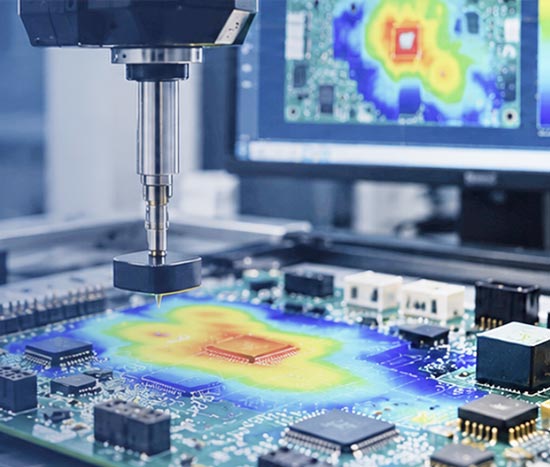
For dedicated troubleshooting, near-field probes (such as the Morita-Tech WM7400, Langer EMV near-field probes, or Luxondes EM ScanPhone) are used to identify—or localize—the interference frequencies detected during testing, allowing for the implementation of EMC countermeasures. Subsequent pre-compliance EMC measurements in the GTEM 1500 cell then verify whether these countermeasures have been successful.
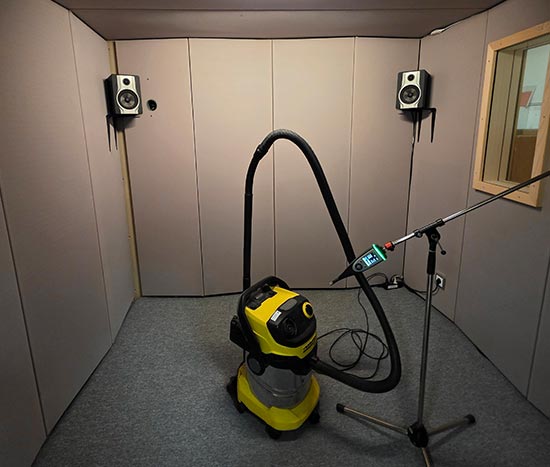
waveLAB Ruhr GmbH operates a premium acoustic chamber equipped with a variety of absorbers and reflectors that ensure a low, controlled reverberation time. In combination with instrumentation from Hottinger Brüel & Kjær—used for measuring frequency, sound power, and sound insulation—the facility enables the analysis of product and machinery acoustics, as well as the investigation of the acoustic behavior of individual components. Furthermore, the company offers on-site noise immission measurements and the simulation of noise forecasting (using FGEU Winfield / Narda EFC-400 software).
At waveLAB Ruhr GmbH, radiated immunity testing can also be conducted using a “stripline” setup. Due to a smaller septum-to-ground-plane distance (approx. 90 cm) compared to measurements in a GTEM cell (approx. 1.35 m), the chamber can generate interference fields of up to 200 V/m at frequencies reaching approximately 1 GHz, while requiring relatively low input power. At frequencies up to 4 GHz, field strengths of up to 100 V/m can still be achieved.
These tests are designed for products that present specific challenges, such as defense-related equipment (e.g., in accordance with the VG 95373-SF 03 G standard) or components for automotive applications.
For instance, when performing immunity testing on drones, waveLAB Ruhr can utilize pulse generators capable of producing very fast rise times and high field strengths, thereby replicating the military requirements specified in the MIL-STD-461G RS105 standard.
waveLAB Ruhr GmbH offers a wide range of training topics in the fields of radio-frequency (RF) engineering and regulatory approval. Examples include:
Additional topics can be provided upon specific request.
Haven’t found your specific application, but have a question regarding high-frequency technology, EMC, or EMF for which you need support? Please do not hesitate to contact us—we would be happy to work with you to find a solution. The scope of services offered by waveLAB Ruhr GmbH is even broader than what is shown here, and we also have an extensive partner network that can provide the necessary expertise if needed. Get in touch with us!
You are currently viewing a placeholder content from Vimeo. To access the actual content, click the button below. Please note that doing so will share data with third-party providers.
More InformationYou are currently viewing a placeholder content from YouTube. To access the actual content, click the button below. Please note that doing so will share data with third-party providers.

More InformationYou need to load content from reCAPTCHA to submit the form. Please note that doing so will share data with third-party providers.
More InformationYou are currently viewing a placeholder content from Google Maps. To access the actual content, click the button below. Please note that doing so will share data with third-party providers.
More InformationYou are currently viewing a placeholder content from Vimeo. To access the actual content, click the button below. Please note that doing so will share data with third-party providers.
More InformationYou are currently viewing a placeholder content from YouTube. To access the actual content, click the button below. Please note that doing so will share data with third-party providers.
More InformationYou are currently viewing a placeholder content from Instagram. To access the actual content, click the button below. Please note that doing so will share data with third-party providers.
More InformationYou need to load content from hCaptcha to submit the form. Please note that doing so will share data with third-party providers.
More InformationYou need to load content from reCAPTCHA to submit the form. Please note that doing so will share data with third-party providers.
More InformationYou are currently viewing a placeholder content from Turnstile. To access the actual content, click the button below. Please note that doing so will share data with third-party providers.
More Information